


Stress Before Awareness: How Wearables Reveal What We Feel
- Tracy Short

- Jan 28
- 3 min read
We are constantly being told to slow down. To get more sleep. To calm our nervous systems. To manage stress better.
But no one ever tells us how to know when stress is actually happening.
The truth is, most people are not living in moments of occasional stress. They are living in a chronic, heightened stress state that has become so familiar it feels normal. We power through. We adapt. We normalize exhaustion, irritability, poor sleep, and constant mental noise. And by the time we feel stressed, the body has often been sounding alarms for days, weeks, or even months
This is where the idea of stress before awareness comes in.
Stress Doesn’t Start in the Mind. It Starts in the Body.
Before you consciously think “I’m overwhelmed,” your body already knows.
Stress first shows up as physiological change. Resting heart rate begins to rise. Heart rate variability starts to decline. Breathing becomes shallow or irregular. Sleep fragments. Recovery slows after physical or emotional load.
These shifts happen below conscious awareness. Your nervous system is responding to perceived threats such as deadlines, emotional strain, unresolved conflict, or lack of rest long before your mind labels it as stress.
That is why being told to “just relax” often feels impossible. You are trying to override a biological response you did not even realize was activated.
Making the Invisible Visible
Modern wellness wearables give us something we have never had before. Objective data about our internal state.
They do not tell us how we should feel. They show us how our body is responding, both in real time and over time.
This is where awareness begins.

Oura Ring: Seeing Stress Patterns Before Burnout
The Oura Ring tracks dozens of biomarkers including resting heart rate, heart rate variability, body temperature trends, sleep stages, recovery metrics, readiness, and stress indicators.
What makes Oura especially powerful is trend awareness. You may feel fine on the surface, yet your HRV has been steadily declining and your resting heart rate slowly climbing. That pattern is often the body whispering before it starts screaming.
This kind of data helps answer an important question. Am I actually recovered, or am I just pushing through fatigue?

Fitbit and Amazfit: Everyday Stress Awareness
Devices like Fitbit and Amazfit bring stress monitoring into daily life through continuous heart rate tracking, stress or readiness scores, sleep quality insights, and guided breathing or recovery prompts.
These tools are especially helpful for people living busy, reactive lives. They show how meetings, travel, emotional conversations, caffeine, and poor sleep directly affect the nervous system, not days later, but the same day.
Over time, patterns emerge. And patterns create choice.
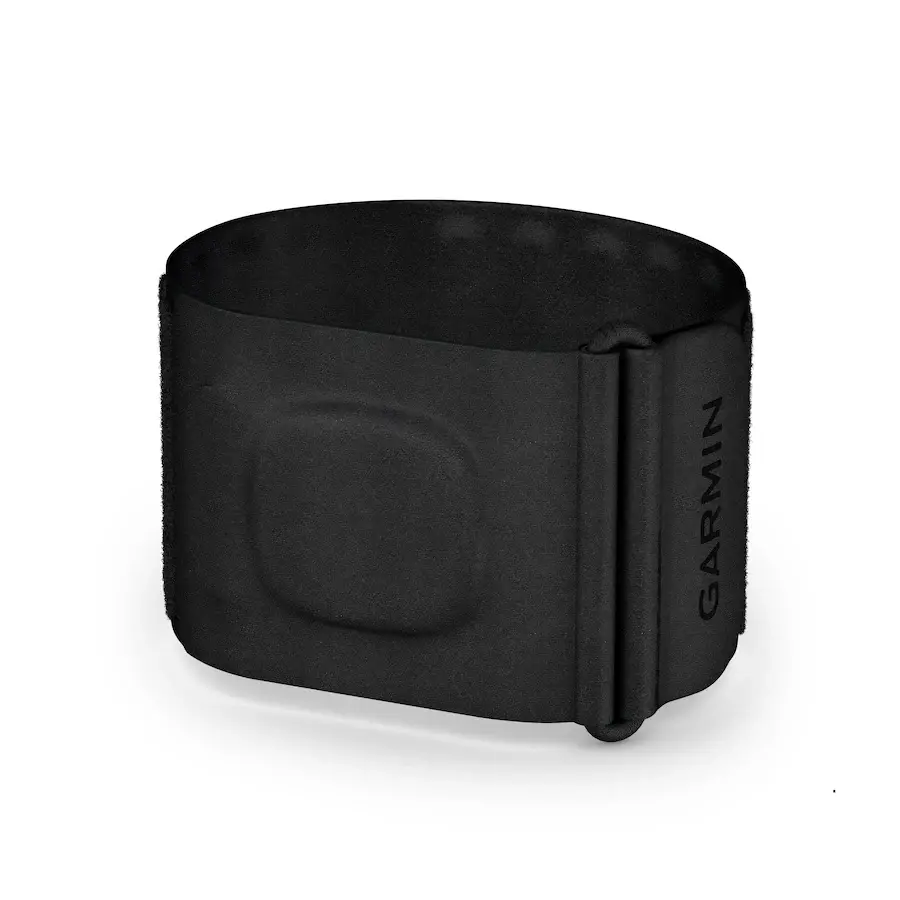
Garmin Sleep Monitor: When Sleep Tells the Truth
Sleep is often the first casualty of chronic stress.
Sleep focused monitors track sleep stages, heart rate, breathing patterns, and restfulness throughout the night.
Many people discover that what they thought was eight hours of sleep is actually fragmented, shallow rest with very little deep or REM sleep. That insight alone can explain anxiety, mood swings, poor focus, and emotional reactivity.
Sleep data reframes the question from “Why am I so tired?” to “My body has not been restoring itself.”
Apollo Neuro: From Awareness to Regulation

Most wearables observe. Apollo Neuro goes a step further.
Rather than measuring stress, it works directly with the nervous system using gentle vibrations designed to stimulate the vagus nerve. This helps shift the body out of fight or flight and into rest and digest.
It is an important reminder that awareness is only the first step. Once stress is visible, regulation becomes possible.
What the Data Really Gives Us
These tools are not about optimization or perfection. They are about permission.
Permission to rest before burnout. Permission to slow down before illness. Permission to adjust expectations before resentment. Permission to support the nervous system before anxiety becomes identity.
They validate what many people feel but cannot articulate. Something is off, even if I cannot name it yet.
Using These Tools Intentionally
Wearables are most powerful when paired with reflection, not obsession.
Helpful questions to sit with include the following. When my HRV drops, what is happening in my life? How does my body respond to lack of sleep, conflict, or over commitment? What habits consistently improve my recovery? Where am I ignoring early signals?
The goal is not control. The goal is attunement.
Awareness Changes Everything
We do not need more reminders to calm down.
We need better ways to recognize when we are already dysregulated and kinder tools to help us come back. Stress before awareness is real. When we learn to listen to the body’s quiet signals, we stop waiting for breakdowns to justify rest.
Awareness becomes care. Data becomes wisdom. And healing starts earlier than it ever did before.



Comments